
Can You Replace a Roof in the Winter?
The concept of winter in Central Florida is vastly different from the snowy landscapes and freezing temperatures found in the northern states. While much of the country shuts down exterior construction projects due to ice and extreme cold, the climate in Clermont remains remarkably productive. Many homeowners find themselves in a position where their roof has reached the end of its lifespan or sustained damage during the preceding hurricane season. The common question that arises during the cooler months of December, January, and February is whether it is physically possible or even advisable to move forward with a full roof replacement.
Waiting for the spring or summer might seem like the traditional choice, but in Florida, the winter months often provide some of the most stable weather conditions of the entire year. A roof replacement is a significant investment that requires dry days and manageable temperatures for both the materials and the crew. Understanding the mechanics of how roofing materials behave in cooler weather and how the local climate dictates the construction schedule is essential for any homeowner making this decision. Replacing a roof in the winter is not only possible in our region; it is often the most strategic time to ensure your home is protected before the next cycle of heavy tropical rains begins.
The Advantages of the Florida Dry Season
Central Florida experiences a distinct dry season that typically aligns with the winter months. From late autumn through early spring, the daily cycle of afternoon thunderstorms that defines our summer disappears. This shift in weather patterns is the single greatest advantage for a winter roof replacement. During a reroofing project, the most vulnerable moment for a home is when the old shingles and underlayment are removed, exposing the wooden roof deck. In the summer, roofing crews must work in small, frantic sections to avoid being caught by a sudden, unpredicted downpour.
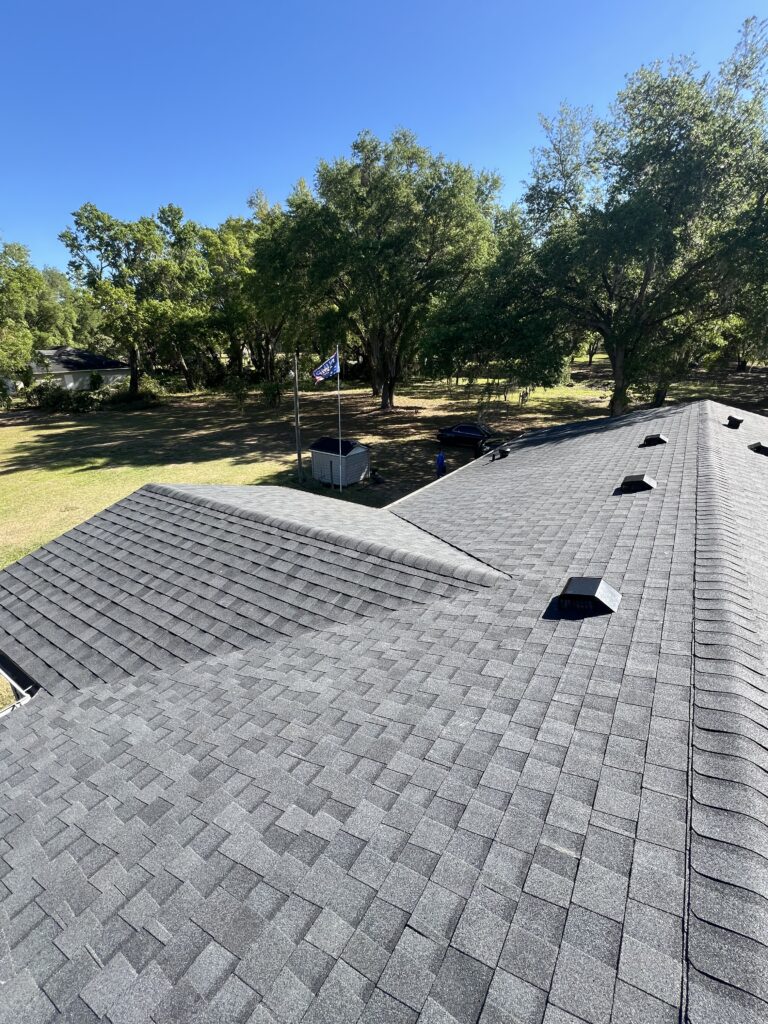
In the winter, the risk of a flash flood during the middle of a tear off is significantly lower. This allows for a more controlled and methodical workflow. The crew can often open up larger sections of the roof, allowing for a faster inspection of the decking and a more seamless installation of the new underlayment. This reduced weather risk provides immense peace of mind for the homeowner, as the chances of water intrusion during the construction process are minimized. The stability of the winter atmosphere means that projects are less likely to be delayed by rain, allowing the team to finish the job on schedule and return your property to its normal state quickly.
Furthermore, the lack of intense humidity during the winter is beneficial for the home’s structure during the replacement. When the roof is opened up, the attic is exposed to the outside air. In the summer, that air is thick with moisture, which can be absorbed by the insulation and the underside of the roof deck. The drier winter air keeps the attic environment stable while the work is being performed. This climate advantage makes the winter months an ideal window for any major structural work that requires the home to be temporarily uncovered.
Temperature and Shingle Performance
A common concern regarding winter roofing is the performance of the asphalt shingles, specifically the thermal sealing process. Asphalt shingles feature a strip of heat activated adhesive known as a sealant or tab. This strip is designed to bond the shingles together into a wind resistant unit. In northern climates, sub zero temperatures can make shingles brittle and prevent the sealant from activating. However, the Central Florida sun remains powerful even during the coolest months of the year.
Need a roof replacement? Click here for our roof replacement service.
Even on a day when the air temperature is in the sixties, the direct sunlight hitting a dark roof surface can easily push the temperature of the shingles into the eighties or nineties. This is more than enough heat to activate the thermal seal on modern asphalt shingles. Our crews are trained to handle shingles in various temperatures, ensuring they are not over flexed if the morning starts off particularly brisk. Modern manufacturing has also improved the flexibility of shingles, making them far more resilient to temperature shifts than the materials used decades ago.
If a specific project happens to coincide with a rare cold snap where temperatures stay significantly lower, professional roofing contractors have specific techniques to ensure a proper seal. This may include manual sealing with approved roofing cements in critical areas or simply timing the installation so that the shingles have maximum sun exposure during the hottest part of the day. Because we do not deal with the deep, prolonged freezes of the north, the physical integrity of the shingles remains intact throughout the winter in Clermont. The result is a roof that is just as secure and wind resistant as one installed in July.
Crew Efficiency and Safety Benefits
The human element of a roofing project is often overlooked, but it plays a major role in the quality of the final product. Roofing is an incredibly physically demanding job, and performing that labor in the peak of a Florida summer is grueling. When temperatures on a roof reach well over one hundred degrees, crews must take frequent breaks to prevent heat exhaustion and dehydration. This can lead to slower progress and, in some cases, fatigue that can impact the meticulousness of the installation.
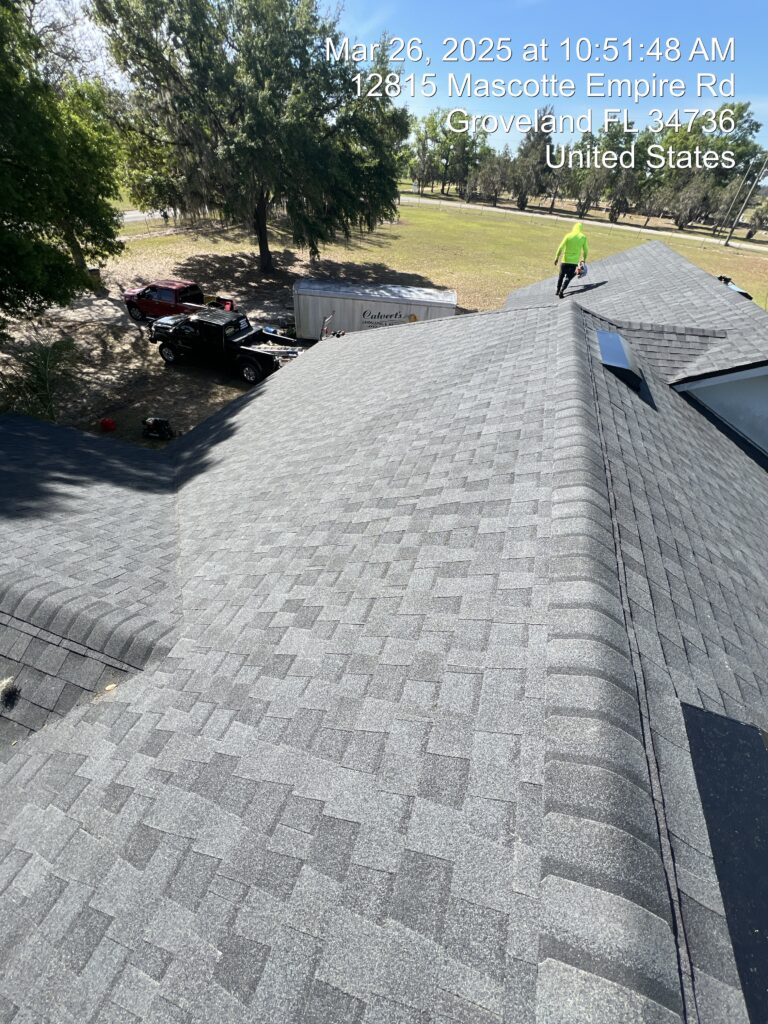
In the winter, the cooler temperatures allow roofing crews to work at peak efficiency. The environment is far more manageable, allowing the team to stay focused and energetic throughout the entire workday. A crew that is comfortable is a crew that is more attentive to the fine details, such as the precision of the nailing pattern and the careful molding of flashing around chimneys and vents. This increased focus directly translates to a higher quality installation for the homeowner.
Safety is also enhanced during the cooler months. In the summer, the roof surface can become dangerously hot to the touch, and the physical strain of the heat increases the risk of accidents. The winter months provide a safer working environment where the risk of heat related illness is virtually eliminated. By scheduling your roof replacement during this time, you are ensuring that the people working on your home are in the best possible position to perform their best work safely and efficiently.
Beating the Busy Spring and Summer Rush
The roofing industry in Florida follows a predictable seasonal cycle. Most homeowners wait until the first major leak appears during the spring rains or until the start of hurricane season in June to begin looking for a roofer. This creates a massive surge in demand during the late spring and summer. During these peak times, reputable contractors often have waiting lists that can stretch for several weeks or even months. Material suppliers also feel the strain, which can lead to delays in getting specific shingle colors or styles.
Want DIY roof tips to extend its lifespan? Click here for more information.
By choosing to replace your roof in the winter, you are beating the rush. Contractors generally have more flexible schedules during the winter months, meaning you can get your project started and finished much sooner. You will likely have better access to the full range of material options without the risk of manufacturer backorders that often plague the busy season. This proactive approach allows you to secure your home on your own timeline, rather than being forced to wait for an opening in a crowded schedule while your roof continues to deteriorate.
There is also a significant benefit regarding the timing of inspections. Local building departments are often less overwhelmed during the winter than they are following a major storm event or during the summer building boom. This can lead to faster permit approvals and more timely inspections from city or county officials. A winter roof replacement is often a smoother administrative process from start to finish, simply because the entire system is under less seasonal pressure.
Protecting Your Home Before Storm Season
In Central Florida, it is not a question of if a major storm will hit, but when. Waiting until the start of hurricane season to address a failing roof is a high stakes gamble. A roof that is already showing signs of age, such as granule loss, curling shingles, or minor leaks, is a primary target for wind damage. Once a single shingle is lifted by a strong gust, the waterproof integrity of the entire system is compromised.

Replacing your roof in the winter ensures that your home is fully protected long before the first tropical wave of the year begins to develop. It gives you the peace of mind that comes with knowing your family and your belongings are under a new, warrantied, and properly installed roofing system. You avoid the stress of trying to find an emergency roofer after a storm has already caused damage to your interior.
Furthermore, a new roof installed in the winter has several months to settle and for the thermal seals to fully bond before it is tested by the high winds of late summer. This “curing” time allows the roof to reach its maximum strength and wind resistance. Taking care of this major home improvement in the winter is an act of responsible homeownership that eliminates a major source of anxiety when the weather eventually turns severe. You can head into the spring and summer knowing that your home’s most important defense is in top condition.
The mild climate of Central Florida makes the winter months an exceptional time for roof replacement. Unlike other parts of the country where the season brings construction to a halt, the dry air and moderate temperatures in Clermont provide ideal conditions for installing a new roofing system. By taking advantage of the dry season, you minimize the risk of rain during the project and allow your roofing crew to work with greater efficiency and focus. The Florida sun ensures that shingles seal properly, while the off peak timing allows you to avoid the scheduling frustrations of the busy summer months.
Ultimately, a winter roof replacement is a proactive decision that prioritizes the safety and longevity of your home. It allows you to address potential vulnerabilities on your own terms, rather than waiting for an emergency to dictate the schedule. By the time the heavy rains and tropical threats of the summer arrive, your home will be securely shielded by a new roof that has been installed under the best possible circumstances. Choosing to move forward with your roofing project in the winter is a smart, strategic move that provides long term security and peace of mind for you and your family.