
How Cool Weather Affects Older Roofs in Central Florida
Residents of Central Florida generally welcome the arrival of cooler weather. After months of oppressive heat and humidity, the drop in temperature is a relief. We open our windows, enjoy our patios, and appreciate the break from the intensity of the summer sun. However, while we are enjoying the comfortable outdoors, our homes are experiencing a significant physical shift. This is particularly true for the roof. While we do not experience the deep freezes or heavy snow loads of the north, the arrival of cool weather brings a specific set of stressors that can be damaging to an aging roofing system.
The roof on your home is exposed to the elements twenty four hours a day. For a roof that has already endured ten or fifteen years of intense Florida sunshine, the materials have changed chemically and physically. They are no longer as flexible or resilient as they were when they were first installed. The introduction of cooler temperatures, specifically the rapid swing between daytime highs and nighttime lows, tests the limits of these older materials. Understanding how this change in weather affects your roof is essential for preventing leaks and extending the life of your home’s protective covering.
The Stress of Thermal Cycling
The primary mechanism that damages roofs during the Florida winter is a process called thermal cycling. This refers to the repeated fluctuation in temperature that materials undergo throughout a twenty four hour period. In Central Florida, a winter day might see a high temperature in the seventies or eighties, followed by a drop into the forties or even thirties at night. This is a dramatic shift. All building materials, including wood, metal, asphalt, and concrete, react to temperature changes. They expand when they heat up and they contract when they cool down.
On a new roof, the materials are pliable and elastic. They can handle this daily expansion and contraction without issue. They stretch and shrink back into place like a fresh rubber band. On an older roof, the situation is different. Years of exposure to ultraviolet radiation have dried out the oils and volatile compounds in asphalt shingles and underlayment. The materials have become rigid and brittle. When the temperature drops rapidly after sunset, the roof materials contract quickly. Because they have lost their elasticity, this contraction creates immense tension.
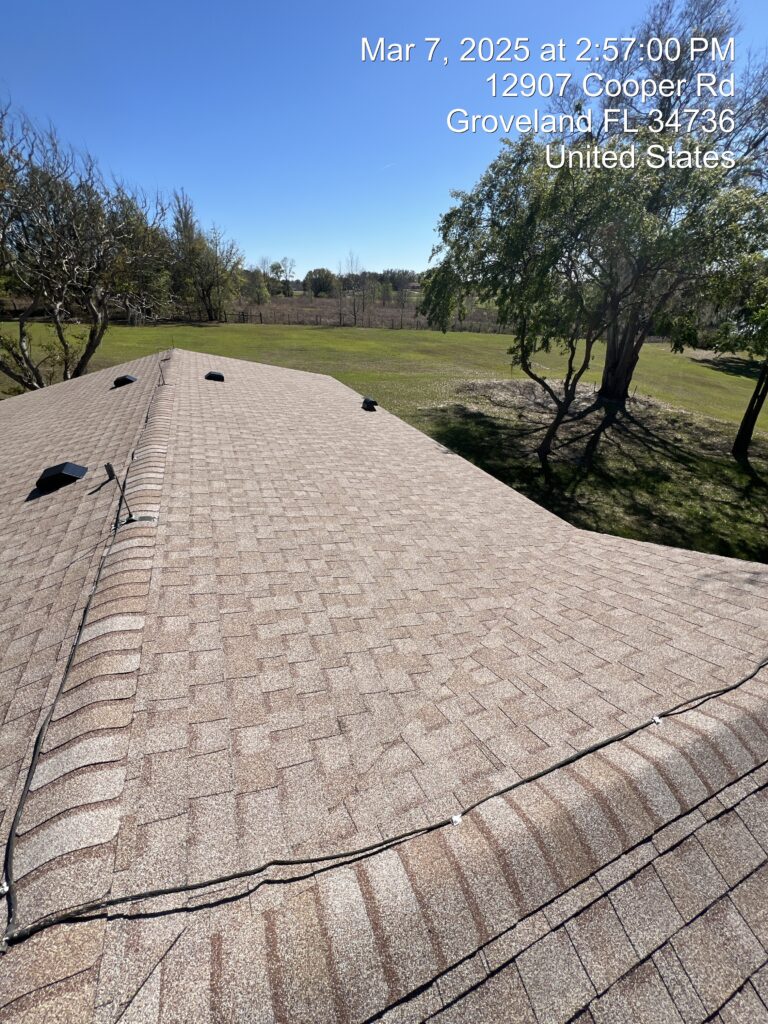
Instead of shrinking smoothly, the brittle materials may crack or split. This often happens in the substrate or the shingle mat itself. These micro fractures may not be immediately visible from the ground, but they compromise the waterproof integrity of the system. Over the course of a winter season, this cycle repeats dozens of times. The cumulative effect can turn small stress points into significant failures. This is why leaks often appear in the spring, even if there was no major storm event during the winter. The damage was done silently by the temperature swings.
Brittle Shingles and Physical Damage
Asphalt shingles are the most common roofing material in Clermont, and they are particularly susceptible to age related hardening. A shingle is made of a fiberglass or organic mat saturated with asphalt and coated with granules. The asphalt provides the waterproofing and the flexibility. Over time, the heat of the sun evaporates the oils in the asphalt. You can often tell an older roof is suffering from this because the shingles will look gray or washed out, and they may start to curl at the edges.
When cool weather arrives, these dried out shingles become exceptionally hard and brittle. In the summer heat, a shingle is somewhat pliable. In the winter cold, it becomes more like a potato chip. This loss of flexibility makes the roof highly vulnerable to physical damage. If a tree branch rubs against the roof during a breezy winter day, it will not just brush the granules off; it is likely to snap the corner of the shingle right off.
Need a roof replacement? Click here for our roof replacement service.
This brittleness also poses a major risk if anyone walks on the roof. Homeowners often get up on their roofs in the cooler months to hang holiday decorations or clean gutters. On an older roof, the simple weight of footsteps can cause the shingles to crack and fracture beneath your feet. You might not even realize you are causing damage as you walk across the surface. These cracks allow water to seep through to the underlayment during the next rain. For an older roof, the best policy during cool weather is to stay off it entirely and leave any necessary maintenance to professionals who know how to navigate a delicate surface.
Failure of Adhesive Seals
One of the most critical components of a shingle roof is the adhesive strip, often called the seal tab. This is a line of heat activated glue found on the underside of every shingle. When a roof is installed, the heat of the sun melts this glue, sealing the shingle to the one below it. This seal is what prevents the wind from lifting the shingles. It essentially turns the individual shingles into a single, unified wind resistant sheet.
As a roof ages, this adhesive bond weakens. Dust and dirt can work their way under the shingles, and the adhesive itself degrades over time. Cold weather exacerbates this issue significantly. Adhesive materials become hard and lose their tackiness in low temperatures. If the seal on an older roof is already compromised, a cold snap can cause the bond to fail completely. The shingle effectively “unzipping” from the one below it.
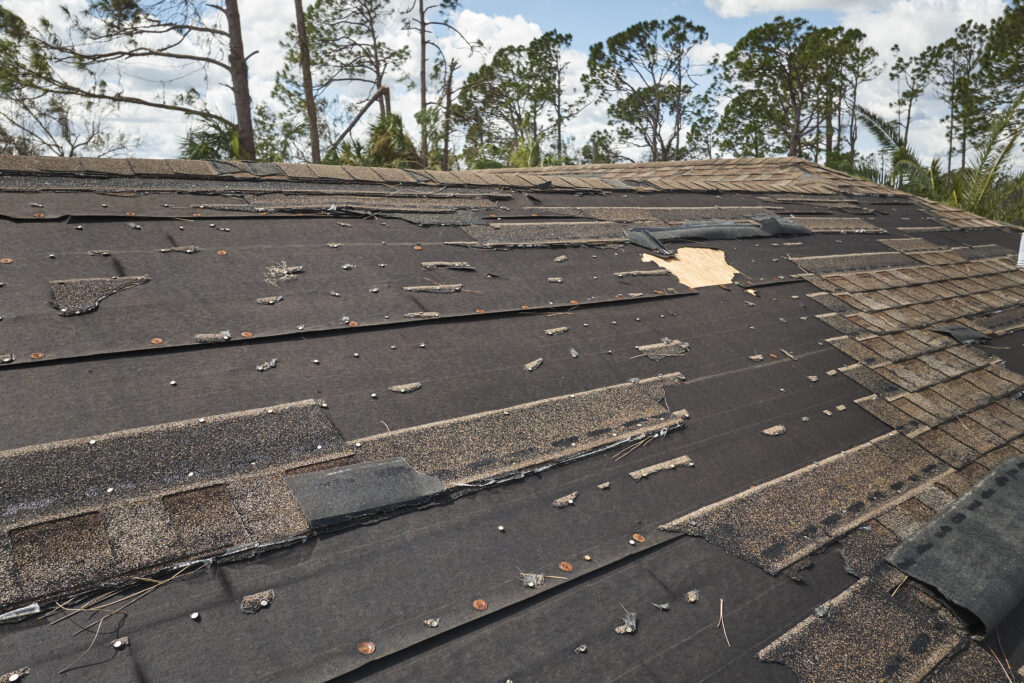
This creates a dangerous situation regarding wind resistance. Winter in Florida often brings strong cold fronts accompanied by gusty winds. If the adhesive seals have failed due to the cold and age, these winds can easily catch the edge of a shingle and lift it. Because the shingle is brittle, it will not just flap; it will likely snap off and blow away. We frequently see older roofs that lose patches of shingles during winter storms, not because the wind was hurricane force, but because the cold had rendered the adhesive useless and the shingles too stiff to resist the uplift.
Differential Movement at Flashings
The areas where your roof meets a wall, a chimney, or a vent pipe are sealed with flashing. Flashing is typically made of metal, such as aluminum or galvanized steel. These areas are the most complex parts of a roofing system and are the most common sources of leaks. The problem arises because metal, wood, and asphalt expand and contract at very different rates.
When the temperature drops, the aluminum flashing contracts by a specific amount. The wooden roof deck underneath it contracts by a different amount. The asphalt roofing cement or caulk used to seal the edges contracts by yet another amount. On a new roof, the sealants are flexible and can stretch to accommodate this differential movement. On an older roof, the sealants have dried out and hardened.
When the materials pull apart from each other in the cold, the rigid, old sealant creates a gap. It creates a separation between the flashing and the roof, or the flashing and the chimney. This gap might only be a fraction of an inch wide, but that is more than enough for water to enter. Because these gaps open up due to contraction, they are often hard to spot during the warmth of the day when materials expand again. However, when a winter rain falls, water finds these open pathways and enters the attic. This is why checking the condition of flashing and sealants is a critical part of winter roof maintenance for older homes.
Condensation and Attic Moisture
When we think of roof damage, we usually think of rain coming in from the outside. However, cool weather can create moisture problems that start from the inside. This is the issue of condensation. During the winter, we heat the living spaces of our homes to keep them comfortable. This warm air has the capacity to hold moisture. Heat naturally rises, and if the ceiling insulation is older or compressed, that warm, moist air migrates up into the attic.
In the attic, the underside of the roof decking is cold because it is exposed to the outside temperatures. When the warm, moist air from the house hits the cold plywood of the roof deck, it reacts exactly like steam hitting a cold bathroom mirror. The moisture condenses into liquid water droplets. On an older roof with poor ventilation, this moisture has nowhere to go. It sits on the wood decking and the roofing nails.
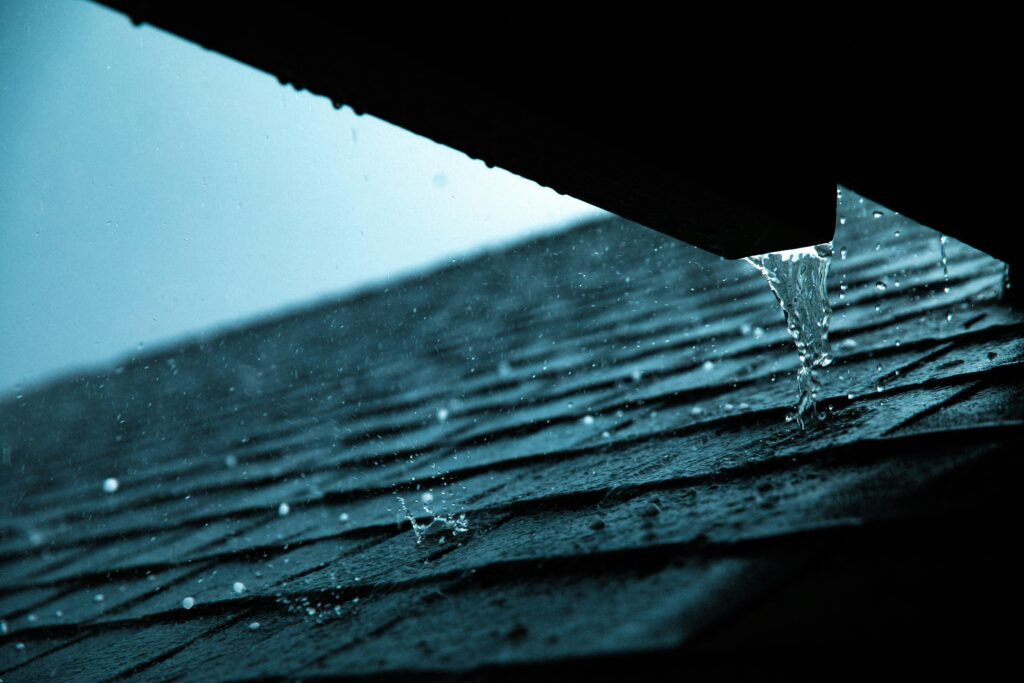
Over time, this repeated condensation can lead to the growth of mold and mildew in the attic. It can rust the nails that hold your shingles in place. In severe cases, it can saturate the plywood decking, leading to wood rot and delamination. This weakens the structural integrity of the roof from the bottom up. An older roof is more likely to have ventilation issues, such as blocked soffit vents or an older style ridge vent that is clogged with debris. This lack of airflow traps the moisture and accelerates the damage. Addressing attic ventilation is a key part of protecting an older roof during the cooler months.
The Ridge Cap Vulnerability
The ridge cap shingles are the specialized shingles that cover the very peak of your roof. They play a vital role in preventing water from entering at the roof’s highest point. Because of their position, they are bent over the peak, which places them under constant physical tension. They are also exposed to the wind from every direction.
On an older roof, the ridge cap shingles are often the first to fail. The bending stress combined with the drying effects of the sun makes them prone to cracking right down the middle. When cool weather arrives, the contraction of the materials adds even more tension to these already stressed shingles. It is very common to see ridge cap shingles split open during the winter.
A split ridge cap is a direct funnel for water. Rain falls on the roof and runs down, but rain that hits the peak can enter directly through a split cap. Because the ridge is at the highest point, a leak here can travel a long distance down the rafters before it shows up as a stain on a ceiling, making it difficult to diagnose. Homeowners with older roofs should pay special attention to the condition of their ridge caps. If you can see cracks or missing pieces from the ground, it is a sign that the roof is struggling with the thermal stress of the season.
Managing Trees and Debris
The interaction between your roof and the surrounding landscape changes in the winter. While many trees in Florida keep their leaves, others do drop them. Deciduous trees, like oaks, drop leaves and acorns heavily during the cooler months. On an older roof, the accumulation of this debris is more than just a nuisance; it is a hazard.
Want to extend the life of your roof? Click here for DIY tips.
Debris piles trap moisture. When wet leaves sit on an older, granule depleted shingle, they keep that shingle wet for days or weeks at a time. This constant moisture accelerates the deterioration of the asphalt. It softens the material and promotes rot. Furthermore, as mentioned earlier, the shingles are brittle in the cold. The weight of wet debris piles can cause stress fractures in the underlying material.
Overhanging branches pose a significant threat in the winter as well. Cold wood is brittle wood. Dead or weak branches are much more likely to snap and fall during a winter breezy day. If a branch falls on a flexible new roof, it might cause a scuff. If it falls on an older, brittle roof, it can punch a hole right through the deck. Keeping trees trimmed back is essential protection. It prevents physical impact and ensures that the roof surface can dry out quickly after a rain, reducing the risk of moisture related decay.
The transition to cooler weather in Central Florida is generally a pleasant time for residents, but it serves as a stress test for the structural components of our homes. An older roof, having withstood years of intense heat and UV exposure, has lost the resilience required to adapt easily to temperature fluctuations. The process of thermal cycling causes rigid materials to contract and crack. Adhesive bonds that hold shingles down become brittle and fail, increasing the risk of wind damage. Metal flashing creates gaps as it pulls away from wood and asphalt, opening the door for leaks. Even the air inside the attic can turn against the roof, creating condensation that rots the deck from within.
Recognizing these risks is the first step in managing them. For a roof that has passed the fifteen year mark, the margin for error is slim. Small issues that might be negligible in the summer can become major failures in the winter. This makes the pre winter season the ideal time for a professional inspection. Identifying cracked ridge caps, resealing loose flashing, and ensuring that gutters and vents are clear can prevent the unique stressors of cool weather from turning an aging roof into a leaking one. By treating an older roof with care and addressing its vulnerabilities, you can ensure it continues to protect your home through the winter and beyond.