
How to Prep Your Roof for Fall Storms in Central Florida
Fall in Central Florida is a welcome change from the intense summer heat, but it also marks the peak of the Atlantic hurricane season. For homeowners, this season brings a unique set of challenges. The threat of tropical storms, heavy rainfall, and powerful hurricanes means that your home’s first line of defense, its roof, must be in optimal condition. Preparing your roof for these potential weather events is not just a suggestion; it is an essential part of responsible homeownership in our region. A small amount of prevention can save you from catastrophic damage, costly repairs, and significant stress. Taking proactive steps ensures your roof is ready to handle the high winds and torrential downpours that fall storms can unleash.
The process of preparing your roof involves more than just a quick glance from the ground. It requires a detailed assessment of its current condition, attention to the surrounding environment, and a clear understanding of potential vulnerabilities. From securing loose materials to ensuring water can drain properly, each step plays a crucial role in the overall integrity of your roofing system. Neglecting even one area can create a point of failure that high-speed winds or driving rain will exploit. This preparation protects your property, your belongings, and most importantly, your family. A secure roof provides peace of mind, allowing you to focus on other essential storm preparations when a watch or warning is issued.
The Importance of a Professional Roof Inspection
The single most effective step you can take to prepare your roof for fall storms is to schedule a professional roof inspection. While you can spot obvious issues like a missing shingle from the ground, a trained roofing contractor provides a level of expertise that is impossible to replicate. They are trained to identify subtle signs of weakness and wear that the average homeowner would easily overlook. A professional will physically get on your roof and examine every component of the system, from the surface materials to the underlayment and decking, where possible. This thorough assessment is the foundation of all your storm preparation efforts.
During an inspection, a qualified roofer will look for a long list of potential problems. This includes checking for shingles that are cracked, curling, or blistering, as these are signs of age and wear. They will look for any lifted or loose shingles that could easily be torn off by high winds. For tile roofs, they will inspect for cracked or sliding tiles. On metal roofs, they check for loose panels, failed fasteners, or any signs of rust. The inspection goes beyond just the primary roofing material. The roofer will carefully examine all flashing, which is the metal stripping around chimneys, vents, and skylights. Flashing is a common failure point, and any gaps or rusted sections can lead to significant water intrusion.
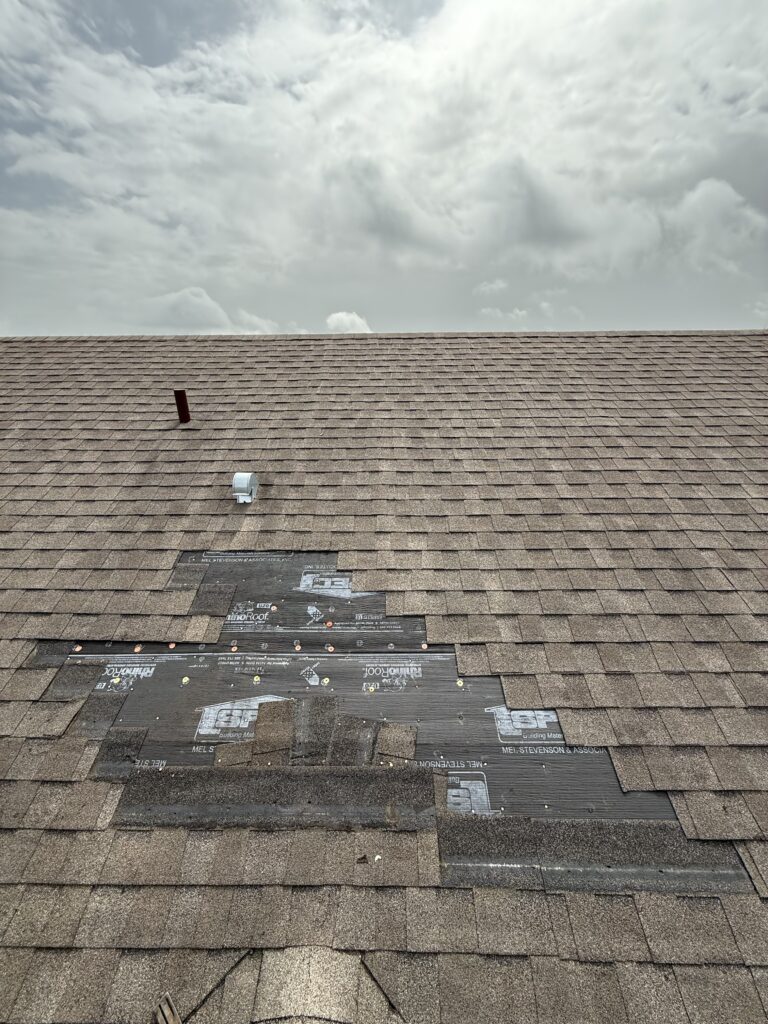
An inspector will also check the seals around vent pipes and other roof penetrations. Over time, the sealant used in these areas can dry out, crack, and pull away, creating a direct path for rainwater. They will look for “nail pops,” where nails have begun to back out of the roof deck, pushing up the shingle and creating a small but dangerous vulnerability. This comprehensive check provides a complete picture of your roof’s health. After the inspection, you will receive a detailed report outlining any areas of concern, recommended repairs, and an overall assessment of your roof’s remaining lifespan. This report empowers you to make informed decisions and address critical issues before a storm is on the horizon, rather than trying to find a roofer during the chaotic days before or after a hurricane.
Clearing Gutters and Drains
A clean and functional gutter system is critical during any Central Florida rainstorm, but it becomes exponentially more important during a fall tropical storm or hurricane. These systems are designed to do one job: collect the massive volume of water that hits your roof and safely channel it away from your home’s foundation. When gutters are clogged with leaves, pine needles, twigs, and other debris, they cannot perform this function. The water has nowhere to go. It will back up, pooling along the edges of your roof and potentially pushing up under the shingles. This is a primary cause of roof leaks, soffit and fascia rot, and attic water damage.
During a storm that drops several inches of rain per hour, a clogged gutter system will be overwhelmed in minutes. The sheer weight of the water and debris can cause the gutters themselves to pull away from the fascia, or even collapse entirely. This notComplete with a comma, or use a semicolon.s not only damage to the gutter system but also leaves your foundation vulnerable to erosion and flooding. Water overflowing from clogged gutters will saturate the ground directly next to your house, which can lead to costly foundational issues over time. It can also pour down your home’s siding, leading to discoloration, rot, and potential water intrusion through window seals.
Before the fall season kicks into high gear, it is imperative to have your gutters and downspouts thoroughly cleaned. This involves removing all debris by hand or with specialized tools to ensure a clear path for water. While cleaning, it is also the perfect time to inspect the gutters for any damage. Check that all sections are firmly attached to the fascia boards with no sagging or pulling away. Ensure the downspouts are clear of blockages and that they extend far enough from your home to direct water away from the foundation. For many homeowners, this is a difficult and dangerous DIY task. Hiring a professional service is often the safest and most effective way to ensure your gutters are truly clear and ready for the weather ahead.
Trimming Trees and Securing Your Yard
Your roof’s greatest non-weather threat during a fall storm comes from the environment surrounding your home. Trees, while beautiful and essential for shade, pose a significant risk. Hurricane-force winds can turn branches into dangerous projectiles and can even topple entire trees. Any branches that overhang your roof are a direct threat. They can scrape against the roofing material, wearing away the protective granules on shingles, or worse, snap and fall, puncturing the roof deck and causing catastrophic damage. Even smaller branches and twigs can be ripped off and deposited on the roof or in the gutters, contributing to clogs and water dams.
Proactive tree maintenance is a non-negotiable part of storm preparedness. Before fall, have a professional arborist assess the trees on your property. They can identify dead or weakened limbs that are likely to fail in high winds. Pruning back branches so they are at least ten feet away from your roofline is a critical step. This reduces the risk of impact damage and also helps prevent algae and moss growth by allowing more sunlight to reach your roof, helping it dry faster after rain. Thinning the canopy of large trees can also allow wind to pass through more easily, reducing the “sail effect” that can cause the tree to uproot.
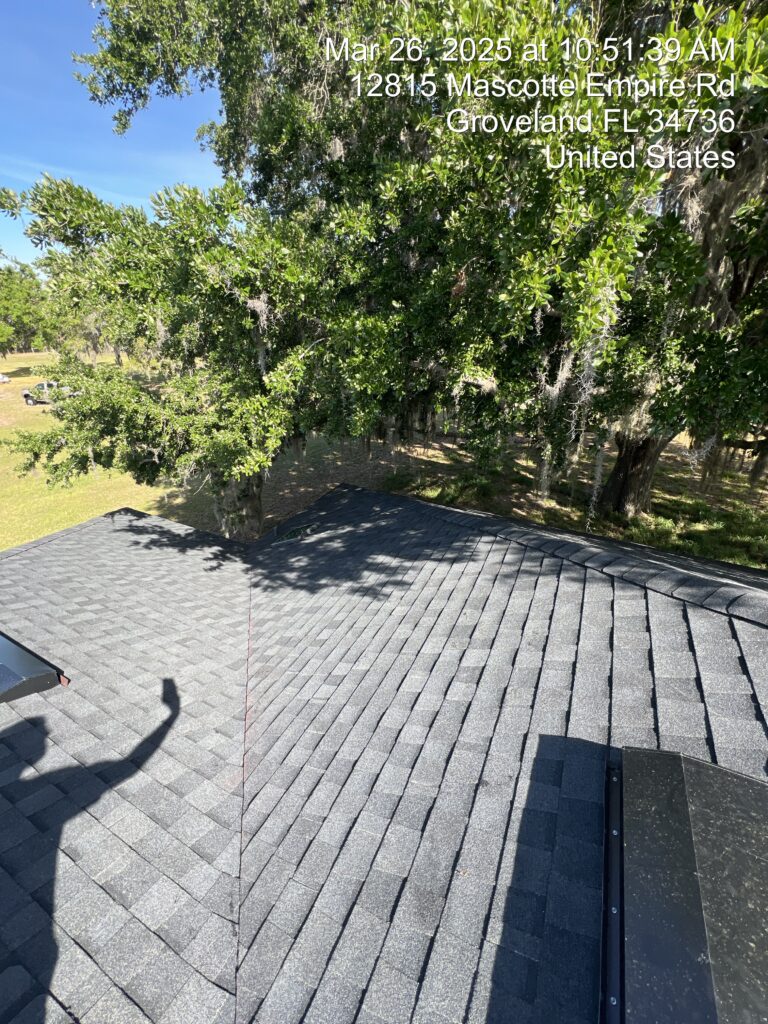
The preparation extends beyond just the trees. Anything in your yard that is not secured can become airborne in a hurricane. Patio furniture, umbrellas, trampolines, potted plants, garden tools, and children’s toys must all be brought indoors or securely fastened down. These items can be picked up by strong gusts and slammed into your roof, siding, or windows. A loose grill or patio chair can cause the same type of puncture damage as a falling limb. Taking the time to clear your yard before a storm approaches is just as important as clearing your gutters. It removes potential projectiles from the equation, protecting your roof and the rest of your home’s exterior from avoidable impact damage.
Inspecting and Securing Roofing Materials
The surface of your roof is what takes the direct hit from wind and rain. Any weakness in this outer layer is an invitation for storm damage. High winds are exceptionally good at finding the smallest point of failure, such as a single loose shingle, and turning it into a major problem. Once wind gets underneath that first shingle, it can create a chain reaction, peeling off an entire section of your roof in a matter of seconds. This is why a detailed inspection of the roofing materials themselves is so vital.
For homeowners with asphalt shingle roofs, this means looking for any shingles that are missing, cracked, or have curled edges. Pay close attention to the hip and ridge caps, as these shingles are often the first to be damaged by wind. Any loose shingle must be properly secured with roofing cement or, if necessary, replaced. You should also look for areas where the granules have worn away, as these protective granules are what shield the shingle from UV rays and damage. Excessive granule loss in your gutters is a sign that your roof is nearing the end of its life.
If you have a tile roof, you need to walk the roof carefully, or have a professional do so, to check for any cracked, broken, or slipped tiles. A single broken tile can allow a massive amount of water to pour into your attic. Loose or slipped tiles should be repositioned and secured according to a professional roofer’s standards, which may involve foam or other adhesives. For metal roofs, the inspection should focus on the fasteners. Look for any screws that have backed out or are loose. Check that all panels are securely fastened and that the seams between panels are tight. Any sign of rust or corrosion should also be noted, as this is a weak spot that can be compromised.
Reinforcing Your Roof’s Structure
While the surface of your roof is designed to repel water, the underlying structure is what holds it all together against the powerful uplift forces of hurricane winds. In older homes, particularly those built before stricter building codes were enacted after Hurricane Andrew, the connection between the roof and the walls of the house may be a significant vulnerability. High winds do not just push on a house; they create a powerful low-pressure system above the roof that tries to suck it upward and off the structure.
One of the most effective ways to combat this uplift is by installing hurricane straps or clips. These are pieces of galvanized metal that connect the roof trusses or rafters directly to the top plate of the wall. This hardware creates a continuous load path, essentially tying the roof down to the foundation and making the entire home a more rigid, unified structure. In many cases, these straps can be retrofitted into an existing home’s attic. A qualified contractor or roofer can inspect your attic to see what kind of roof-to-wall connections you have and recommend a plan for reinforcement if needed.
Strengthening your roof structure is a significant upgrade, but it is one that can save your home from total loss in a severe storm. Beyond the immense protective benefit, reinforcing your roof can also have financial perks. Many insurance companies in Florida offer substantial discounts on homeowner’s insurance premiums for homes that have documented wind mitigation features, such as hurricane straps. This upgrade is an investment in your home’s safety that often pays for itself over time through insurance savings and, most importantly, through the avoidance of devastating storm damage.
Documenting Your Roof’s Condition
In the unfortunate event that a fall storm does damage your roof, the claims process with your insurance company will begin immediately. This process can be stressful and complicated, but you can make it significantly smoother by doing one simple thing beforehand: documenting your roof’s pre-storm condition. Insurance companies will want to verify that the damage being claimed was a direct result of the storm and not due to pre-existing wear and tear or a lack of maintenance. Without proof, you may find yourself in a difficult dispute over what is and is not covered.
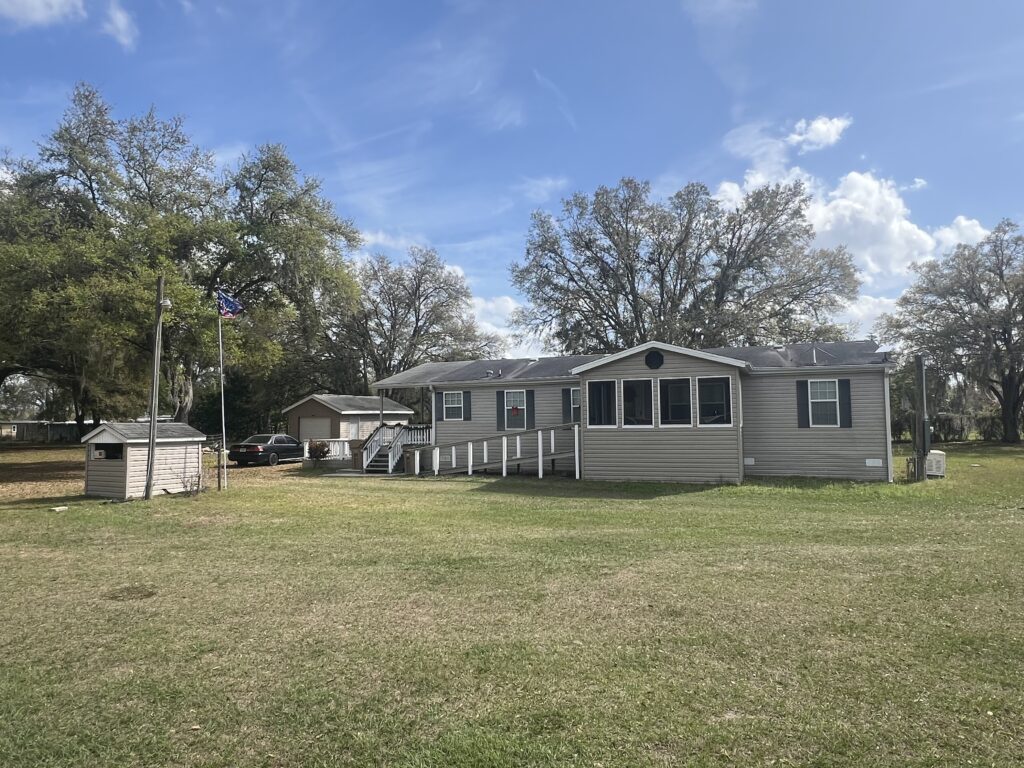
Before the season starts, after you have had your roof inspected and cleaned, take comprehensive photographs and videos. Capture wide shots of your roof from all angles on the ground. If you can do so safely, take detailed, high-resolution photos from a ladder or even from on the roof. Get close-up shots of the shingles or tiles, the flashing around your chimney, the vent pipe boots, and the condition of your gutters. Take pictures inside your attic, focusing on the underside of the roof deck to show that it is dry and free of any water stains or leaks.
Keep all of this documentation in a safe, accessible place. Store digital copies in the cloud, so you can access them even if your computer is damaged or you are evacuated. Keep a folder with your roof inspection report, any receipts for repairs or maintenance, and your insurance policy documents. If a storm hits, this “before” package will be invaluable. You will be able to provide clear, undeniable evidence of your roof’s condition, which will expedite your claim, ensure you are fairly compensated, and help you get the necessary repairs started as quickly as possible.
Need roof repair services? Click here to get started.
Preparing your roof for Central Florida’s fall storm season is an active and necessary process. It requires a multifaceted approach, starting with a professional inspection to understand your roof’s specific vulnerabilities. From there, it involves diligent maintenance like cleaning gutters to ensure proper water management and trimming trees to mitigate the risk of impact damage. It also means paying close attention to the roofing materials themselves, securing any loose components that wind could exploit. Reinforcing the roof’s core structure and meticulously documenting its pre-storm condition provide the final layers of protection, both physically and financially.
These steps are not just items on a checklist; they are critical investments in the safety and integrity of your home. A well-maintained roof is the difference between a minor inconvenience and a major catastrophe when a hurricane or tropical storm makes its way through our area. By taking these proactive measures now, you secure your property and gain the invaluable peace of mind that comes from knowing you have done everything possible to protect your home and family from the worst of the storm season.