
What is Roof Cleaning and Why Does It Matter?
The Central Florida climate, with its high humidity, abundant sunshine, and frequent rain, is ideal for many things. Unfortunately, it is also the perfect breeding ground for a variety of organic growths that find a home on your roof. For many homeowners in Clermont, the appearance of dark, unsightly streaks or green, mossy patches on their roof is a familiar sight. It is easy to dismiss this as a simple cosmetic issue, an unavoidable part of living in Florida. This assumption, however, is a costly one.
Those stains are not just dirt; they are living organisms that are actively feeding on and degrading your roofing materials. What starts as a small patch of algae can quickly evolve into a full blown infestation that shortens your roof’s lifespan, diminishes your home’s curb appeal, and even increases your monthly energy bills. Roof cleaning is not a luxury service. It is a critical component of home maintenance that protects your property’s value and the integrity of its most important protective barrier.
Understanding what roof cleaning truly entails, and why it is so necessary, can save you thousands of dollars in premature repairs and replacement costs. It is an investment in preservation, efficiency, and the long term health of your home.
The Organisms Colonizing Your Roof
To understand why cleaning matters, you must first identify what you are cleaning. Those black streaks are not the result of dirt, soot, or jet fuel. The primary culprit is a specific type of cyanobacteria called Gloeocapsa magma. This bacteria travels through the air, and when it lands on a roof, it finds an ideal food source in the limestone filler used in modern asphalt shingles. It thrives in moist, shaded environments, which is why you may see it first on the north facing side of your roof. The black, hardened outer shell you see is a protective layer the bacteria creates to shield itself from a harsh ultraviolet rays, and it is this dark color that causes the unsightly streaking.
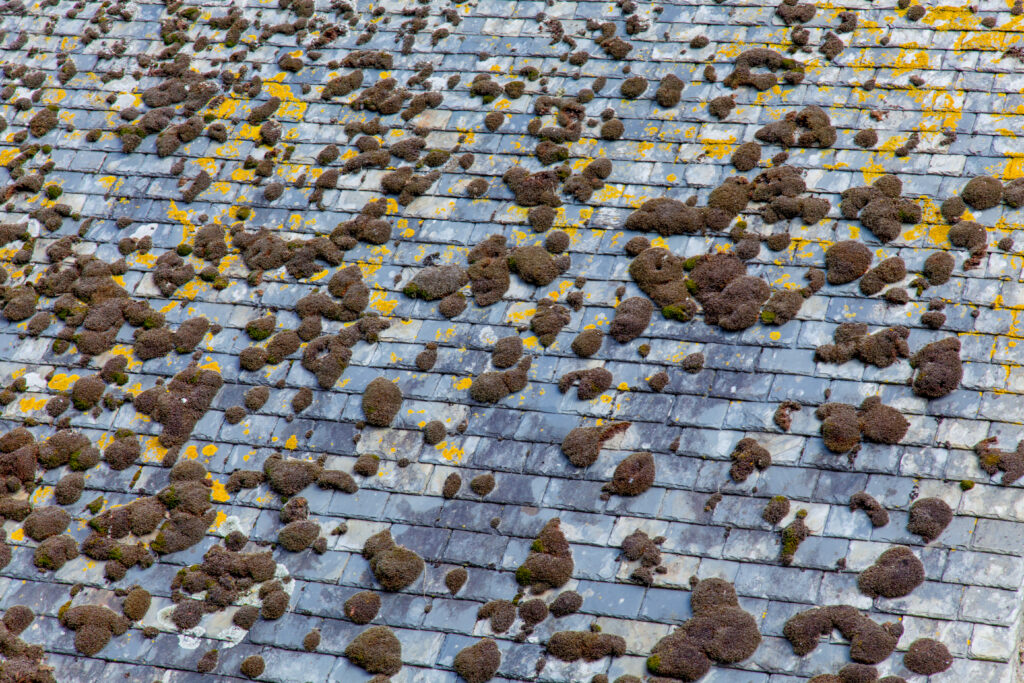
As Gloeocapsa magma establishes itself, it creates a welcoming environment for other, more destructive organisms. Moss is a common secondary invader. Unlike algae, moss is a plant with a shallow root structure. It is particularly problematic because it acts like a sponge, holding significant amounts of moisture directly against your roof’s surface. This constant dampness promotes rot in the shingle mat and can even penetrate to the wooden roof deck below. As moss colonies grow, they can physically lift the edges of your shingles, making them highly susceptible to being torn off during a windstorm.
Lichen is perhaps the most aggressive of these invaders. This organism is a symbiotic combination of algae and fungus, and it forms a crusty, colorful patch. Lichen attaches itself firmly to the roofing material, and its “roots” or hyphae can penetrate the shingle’s surface. This not only dislodges the protective granules but can create small pits and fissures, accelerating the material’s decay. Removing lichen is difficult and, if done improperly, often takes a layer of the shingle with it.
The Dangers of “Cleaning” with High Pressure
When a homeowner notices a stained roof, the first instinct is often to rent a pressure washer and blast the problem away. This is, without question, the single most damaging thing you can do to an asphalt shingle roof. A pressure washer uses a highly concentrated stream of water to remove stains, and that force is completely incompatible with roofing materials. The primary job of an asphalt shingle is to provide a waterproof barrier, and it does this with a layer of asphalt topped by a dense coating of ceramic granules. These granules are the roof’s shield; they protect the underlying asphalt from UV ray degradation, which causes it to become brittle and crack.
Need a roof cleaning? Click here for our roof cleaning service.
Using high pressure on a shingle roof is like using sandpaper. The force will strip these vital granules away, leaving the shingle’s asphalt layer exposed. You may see an immediate “clean” result, but you have just permanently compromised the shingle and drastically shortened its life. This granule loss is irreversible and will lead to rapid aging, cracking, and curling.
The damage is not limited to granule loss. High pressure water can be easily forced up and under the shingle overlap. This water will not just hit the surface; it will penetrate the underlayment and saturate the roof decking. This can lead to immediate, hidden leaks, attic mold, and wood rot. It turns a cosmetic problem into a structural one. For tile roofs, high pressure can chip the tiles or break the mortar joints. On metal roofs, it can strip the protective paint or galvanized coating, leading to rust. High pressure cleaning is a destructive process, not a restorative one.
Soft Washing: The Professional and Correct Method
The professional roofing industry does not use pressure to clean a roof. The approved and recommended method is called soft washing. This technique is the complete opposite of pressure washing. It is not about force; it is about chemistry. Soft washing uses specialized, low pressure pumps to apply a chemical solution to the roof’s surface. This pressure is often no stronger than that of a standard garden hose, ensuring no physical damage to the shingles, tiles, or metal panels.
The cleaning solution itself does all the work. It is typically a biodegradable blend, often containing sodium hypochlorite as the active ingredient, combined with surfactants, algaecides, and buffers. This solution is formulated to kill Gloeocapsa magma, moss, and lichen at the root. It neutralizes the organisms, breaking their bond with the roofing material. After a short dwell time, the solution and the dead organic matter are gently rinsed away with low pressure water.
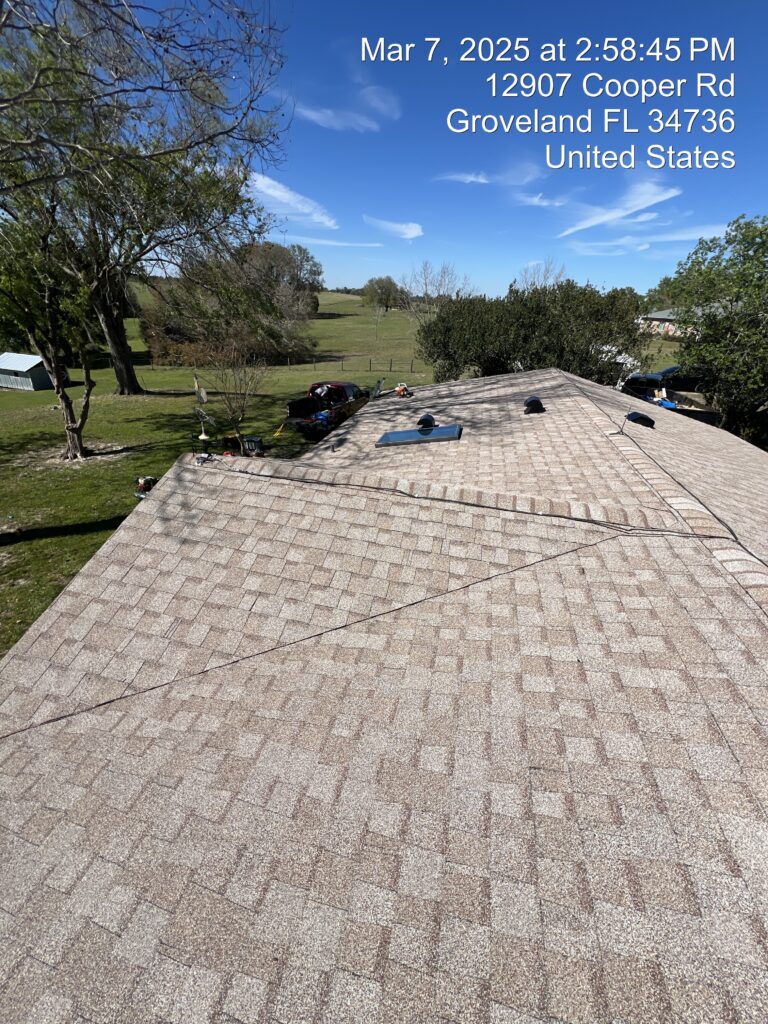
This method is superior for several reasons. First, it is safe for all roofing materials. It does not dislodge granules or force water where it does not belong. Second, it is far more effective. Pressure washing only blasts away the visible surface layer, leaving the root systems intact. This means the algae and moss will often grow back thicker and faster. Soft washing, by killing the organism completely, provides a much deeper, longer lasting clean. A professional roofing contractor, like Clermont Roofing, is trained to use these solutions safely, ensuring that all landscaping and property are protected during the application process through proper watering and covering.
Extending Your Roof’s Lifespan
The most important reason to professionally clean your roof is to protect your investment. A roof is designed to last for decades, but that lifespan is based on the assumption that it is maintained. Allowing a colony of Gloeocapsa magma to feed on your shingles is not maintenance; it is neglect. As the algae consumes the limestone, it loosens the granules. These granules are then washed away by rain, leaving the shingle exposed. This premature aging will shave years off your roof’s service life, forcing you to pay for a full replacement much sooner than anticipated.
Need to get more out of your roof? Click here for tips to extend its lifespan.
Moss and lichen are even more direct in their assault. The moisture trapped by moss can cause the shingle mat to break down and can rot your roof deck, a repair that adds significant cost to an eventual roof replacement. Lichen’s penetrating roots create weak points that are vulnerable to leaks and physical damage.
A professional soft wash cleaning stops this damage in its tracks. It removes the organisms that are actively eating your roof. By keeping the surface clean, you ensure the granules stay in place, the shingles remain flat and secure, and the materials are not holding excess moisture. A clean roof is a healthy roof, and a healthy roof is one that will last its full, intended service life. This preventative measure is one of the most cost effective ways to protect your home.
Curb Appeal and Energy Efficiency
The functional benefits of roof cleaning are clear, but the aesthetic and financial perks are also significant. Your roof can account for up to forty percent of your home’s visible exterior. A roof covered in black, streaky stains makes the entire property look old, dirty, and poorly maintained. This drastically reduces curb appeal and can even lower your home’s perceived value. A clean, well maintained roof, by contrast, looks new and vibrant, boosting the entire appearance of your home.

The financial benefits extend to your monthly utility bills. This is especially true in the hot Central Florida climate. Roofing materials are designed with a certain level of solar reflectance. Those black Gloeocapsa magma stains do more than just look bad; they cover your reflective surface with a dark, heat absorbing layer. A stained, black roof will absorb significantly more solar radiation than a clean one.
This absorbed heat radiates into your attic, turning it into an oven. This superheated attic air then transfers down into your living space, forcing your air conditioning system to work much harder and run much longer to maintain a comfortable temperature. This results in higher energy consumption and more expensive utility bills. A professional soft wash removes the black stains, restoring your roof’s reflective properties. A cooler roof means a cooler attic, which means less strain on your HVAC system and tangible savings on your monthly energy costs.
Roof cleaning is a fundamental aspect of home maintenance, not a cosmetic upsell. In the humid climate of Clermont, it is an essential service for protecting the longevity of your roof. The black and green stains on your shingles are living organisms that are actively causing damage, feeding on your roof, and trapping moisture. Allowing them to thrive will shorten your roof’s life, increase your energy bills, and diminish your home’s curb appeal.
It is critical to understand that the method of cleaning matters. High pressure washing will cause irreversible damage, stripping away the protective granules of your shingles. The only safe and effective method is professional soft washing, which uses specific chemical solutions at low pressure to kill the organisms at their root without harming the roof itself. By investing in a professional roof cleaning, you are preserving your roof’s integrity, restoring its energy efficiency, and ensuring it protects your home for its full, intended lifespan.