
Does a New Roof Help with Home Energy Bills?
For homeowners in Central Florida, the cost of cooling a home is a significant part of the monthly budget. The relentless sun beats down on our properties for most of the year, and our air conditioning systems work overtime to keep the indoor environment comfortable. This leads many to wonder where their hard earned money is going. While windows, doors, and insulation are common considerations, the single largest surface of your home exposed to the sun is your roof. An old, failing, or inefficient roof can act like a giant heat sponge, absorbing solar energy and transferring it directly into your attic, forcing your HVAC system into a constant battle.
The question then becomes: is a new roof purely a protective measure, or is it an investment in energy efficiency? The answer is that it can be one of the most impactful upgrades you make for lowering your home energy bills. A modern, properly installed roofing system is designed to do far more than just keep the rain out. It is an integrated system of materials and components engineered to manage heat, reflect sunlight, and promote airflow. When these elements work together, the reduction in heat gain is substantial, leading to a lighter load on your air conditioner, lower energy consumption, and tangible savings on your utility bills.
This transition from an old, heat absorbing roof to a new, energy efficient one is not just a minor improvement. It can fundamentally change your home’s thermal dynamics. By selecting the right materials and ensuring the entire system is installed correctly, you are not just replacing what is broken. You are upgrading your home’s performance, enhancing its comfort, and making a smart financial decision that pays dividends every month.
How Your Roof Actually Heats Your Home
To understand how a new roof saves you money, it is important to first understand how an old roof costs you money. The process is a simple matter of thermal dynamics. Your roof is the primary barrier against direct solar radiation. Throughout the day, it absorbs a tremendous amount of energy from the sun. A dark, aged asphalt shingle roof, for example, can reach temperatures exceeding 150 degrees Fahrenheit on a typical Florida afternoon.
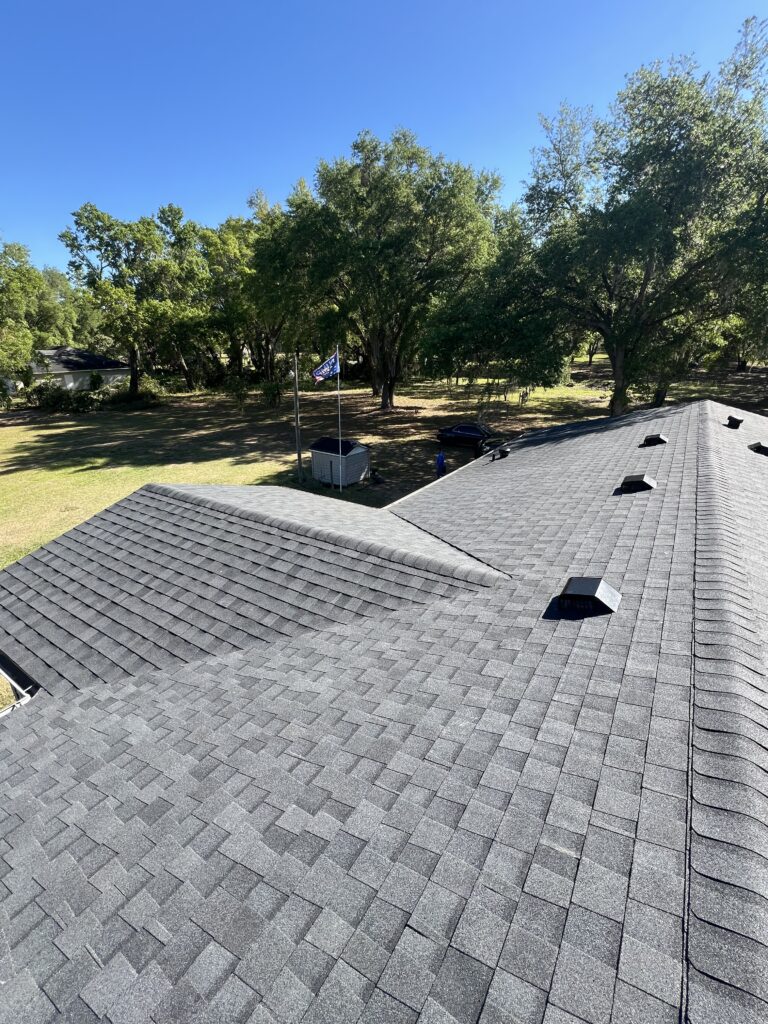
This intense heat does not just stay on the surface. It radiates downward, transferring through the roofing materials, through the underlayment, and into your attic. This superheats the attic space, turning it into an oven. An attic can easily reach 160 degrees or more, even when the outside air temperature is only in the low 90s. This trapped, stagnant hot air then radiates down through your ceiling insulation and into the living space you are paying to keep cool. Your air conditioner must run longer and harder to combat this constant influx of heat, driving your energy consumption through the roof.
An older roof is often inefficient in several ways. The materials may be dark and absorptive. The granules on shingles may be worn away, reducing any reflective properties they once had. Worse, the attic ventilation system may be inadequate or blocked, meaning there is no way for that superheated air to escape. It is a compounding problem where the roof absorbs maximum heat and the attic has no way to get rid of it.
The Role of Modern Roofing Materials
The single biggest change you can make for energy efficiency is choosing a modern roofing material designed for our climate. Today’s materials are rated for their “solar reflectance” and “thermal emittance.” Solar reflectance measures how much sunlight the roof reflects, while thermal emittance measures how efficiently it releases the heat it has absorbed. A “cool roof” is one that has high ratings in both categories.
Want to know how long your roof will last? Click here for more information.
Metal roofing is a premier choice for energy efficiency in Florida. A properly coated, light colored metal roof can reflect a vast majority of the sun’s rays. Unlike traditional materials, it also has low thermal mass, meaning it cools down very quickly once the sun sets. This combination can lead to significant reductions in cooling costs, sometimes by over twenty percent.
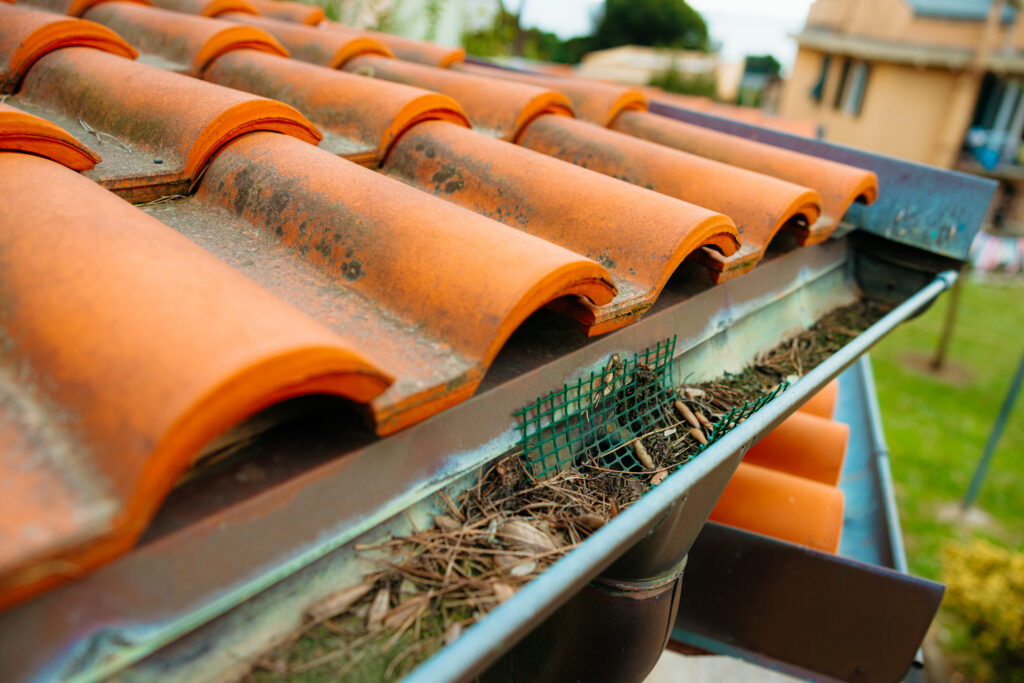
Tile, whether clay or concrete, is another excellent performer. The natural air channel created by the shape and installation of tiles allows for airflow beneath them, which helps to dissipate heat. The tile’s own thermal mass also slows down the transfer of heat. When you choose a light colored or white tile, you combine these physical properties with high solar reflectance for a very effective and durable cool roof solution.
Even the common asphalt shingle has seen massive improvements. While standard dark shingles are still inefficient, manufacturers now produce “cool shingles” or “reflective shingles.” These are shingles infused with special granules that are designed to reflect a much higher percentage of solar radiation. While the savings may be more modest than with metal or tile, a reflective shingle roof is a significant upgrade over a standard roof and a great, cost effective option.
Why Ventilation is a Critical Part of the System
A new roofing material is only half of the solution. You cannot effectively lower your energy bills without addressing the attic space itself. An energy efficient roof must be installed as a complete system, and a critical component of that system is proper ventilation. The goal of a ventilation system is to create a continuous, passive flow of air, flushing out the hot, moist air that gets trapped and replacing it with cooler, drier air from outside.
This system has two main parts. The “soffit vents,” located under the eaves of your roof, act as the air intake. Cooler air is drawn in through these vents. The “ridge vent,” located at the very peak of the roof, acts as the exhaust. As the air in the attic heats up, it naturally rises and exits through the ridge vent. This continuous cycle prevents the attic from becoming a stagnant oven.
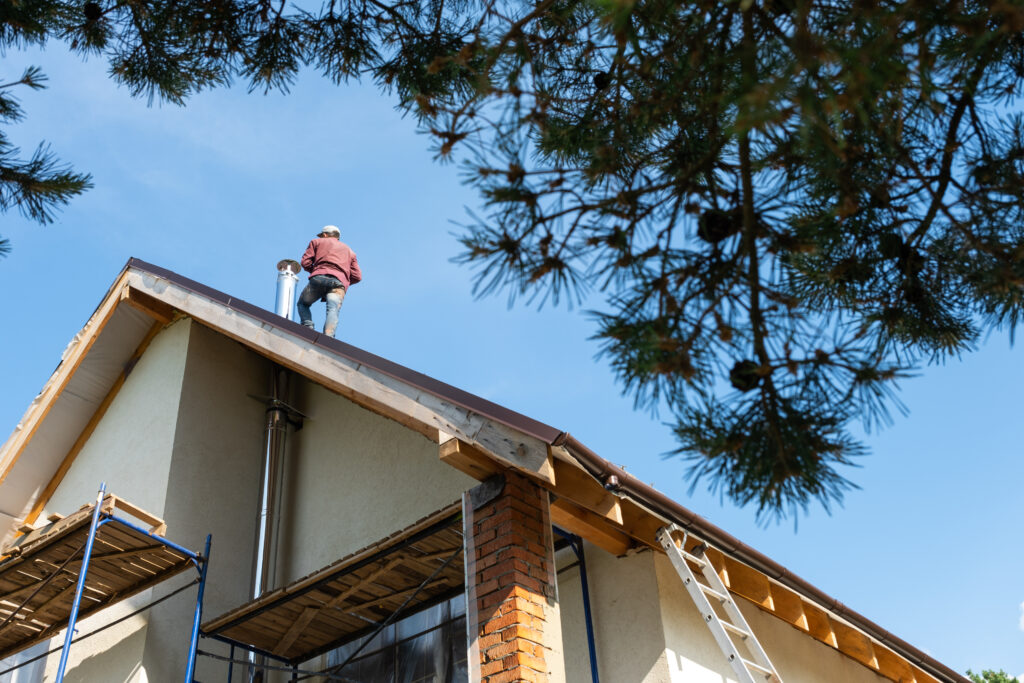
During a reroofing project, we have the perfect opportunity to inspect and optimize this system. We ensure your soffit vents are clear and provide adequate intake. We also install a new, continuous ridge vent that ensures the most effective exhaust. Without this balanced system, even a highly reflective roof will still lead to some heat buildup in the attic. By combining a reflective material with a functioning ventilation system, you attack the problem from both sides. You reduce the amount of heat getting in, and you quickly remove the heat that does.
Insulation and the Final Barrier
The last line of defense between the attic and your living space is your insulation. Over time, insulation can settle, become compacted, or get damaged by moisture from old roof leaks. When insulation is compromised, its “R value,” or its ability to resist heat transfer, plummets. This means the hot air in your attic can easily pass through the ceiling and into your home.
Need your roof repaired? Click here to view our roof repair service.
A reroofing project is the ideal time to assess the attic’s insulation. While our crews are working, we can identify areas that are under insulated or damaged. Adding new, blown in insulation to bring your attic up to the proper R value is a cost effective upgrade that works hand in hand with your new roof.
Think of it this way: your new reflective roof is the shield, your new ventilation system is the exhaust fan, and your insulation is the final wall. When all three components are new and working correctly, the energy efficiency of your home is transformed. The shield reflects most of the heat, the fan removes what gets through, and the wall stops the small remainder from ever reaching your living space. This is how a new roof dramatically lowers the load on your HVAC system.\
A new roof is far more than just a necessary expense for protecting your home from rain. It is one of the most effective investments you can make in your home’s energy efficiency. By choosing modern, reflective materials like metal, tile, or cool shingles, you immediately reduce the amount of solar heat your home absorbs. When this new material is installed as part of a complete system, including optimized attic ventilation and adequate insulation, the impact is compounded.
This integrated approach stops heat at the surface, exhausts it from the attic, and blocks it from entering your living space. The result is a home that is inherently cooler and more comfortable. Your air conditioner will run less frequently and for shorter cycles, leading to a direct and noticeable reduction in your monthly energy bills. A new roof from Clermont Roofing is an investment in protection, curb appeal, and long term energy savings.