
Why DIY Roof Repairs Could Cost You More Later
The urge to handle home repairs yourself is understandable. Homeownership comes with a never ending list of expenses and maintenance tasks. When you spot a water stain on your ceiling or notice a shingle lying in your yard after a typical Central Florida thunderstorm, the immediate reaction is often to find the quickest and cheapest solution. For many capable homeowners, this means grabbing a ladder, buying a tube of sealant or a bundle of shingles, and attempting to fix the problem themselves. It seems like a prudent financial decision at the moment. You avoid the cost of a service call and you get the satisfaction of solving the problem with your own hands.
However, the reality of roofing is far more complex than it appears from the ground. Your roof is a sophisticated engineering system designed to manage water flow, resist wind uplift, and breathe through proper ventilation. Interfering with this system without the necessary training, tools, and material knowledge often leads to consequences that are far more expensive than the initial professional repair would have been. What starts as a fifty dollar DIY patch can easily spiral into thousands of dollars in structural damage, mold remediation, and eventual roof replacement. Understanding why these attempts fail is crucial for protecting your wallet and your home.
The Danger of Misdiagnosing the Source
The most common reason DIY roof repairs fail is that they fix the wrong thing. Water is a deceptive force. It rarely enters your home directly above where the stain appears on your ceiling. Water follows the path of least resistance. It travels along trusses, runs down rafters, and drips onto insulation feet or even yards away from the actual entry point on the roof. A professional roofer approaches a leak like a detective. They trace the water back to its source, which requires understanding the geometry of the roof and the physics of water flow.
When a homeowner attempts a repair, they naturally focus on the area directly above the interior damage. They might slap some roofing cement on a shingle that looks fine or replace a shingle that was actually functioning perfectly. Meanwhile, the actual leak, perhaps a rusted flashing continuously letting water in higher up the slope, remains untouched. The water continues to enter the home every time it rains. Because the homeowner believes the leak is fixed, they might repair the drywall inside. The water then ruins the new drywall, soaks the insulation, and begins to rot the wood framing of the roof.
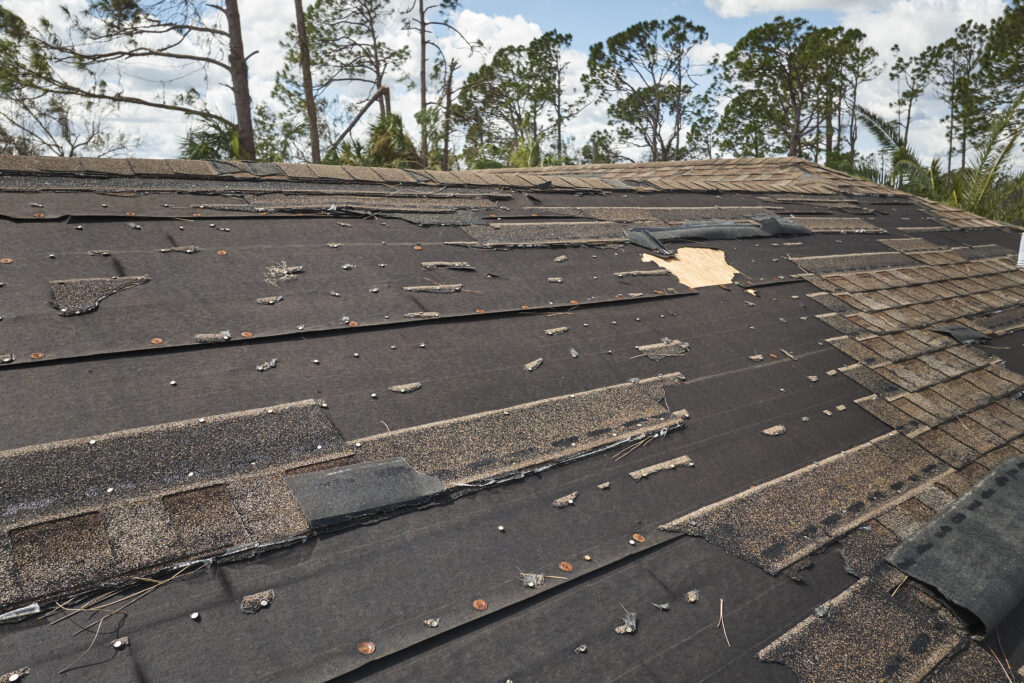
This cycle of misdiagnosis and ineffective repair allows water to cause extensive damage over a long period. By the time the homeowner realizes the patch did not work, the wood rot may have spread to structural components like trusses or the fascia board. We frequently encounter situations where we have to tear out significant sections of rotted decking and framing because a small leak was allowed to persist due to a failed DIY attempt. A professional would have identified the true source immediately, stopping the water intrusion before it threatened the structural integrity of the house.
Improper Materials and Application Techniques
Roofing materials are specific chemistry. They are designed to work together in a cohesive system. A major pitfall for DIY enthusiasts is using the wrong materials or using the right materials incorrectly. A classic example is the overuse of roofing mastic or “tar.” There is a misconception that slathering a thick layer of black tar over a suspected leak will seal it forever. In the intense Central Florida sun, this material dries out, cracks, and becomes brittle very quickly. These cracks then trap water against the roof surface, actually accelerating the leak rather than stopping it.
Another common error involves fasteners. Shingles must be nailed in a very specific zone to be secure and watertight. If you nail too high, you miss the underlying shingle and the nail offers no holding power against wind. If you nail too low, the nail head is exposed to the elements and will eventually rust and leak. Furthermore, using the wrong length of nail or the wrong type of nail can cause immediate issues. If a nail is not driven flush, it can cut through the shingle above it. If it is overdriven, it tears right through the shingle mat, rendering it useless.
Need a roof replacement? Click here for our roof replacement service.
Professional roofers also know that you cannot simply mix and match shingle brands or types. Different manufacturers have different dimensions and interlocking mechanisms. Trying to force a shingle from one brand into a roof made by another creates gaps and raised edges. These irregularities catch the wind. During a tropical storm or hurricane, these are the first areas to fail. The wind catches the raised lip of the mismatched shingle and tears it off, often taking surrounding shingles with it. The “savings” from doing it yourself evaporate instantly when a patch fails and exposes your home to a storm.
Voiding Your Manufacturer Warranty
Your roof is likely covered by a manufacturer’s warranty that spans decades. These warranties are valuable assets that protect you against defects in the materials. However, they come with strict conditions regarding installation and repairs. Manufacturers require that their products be installed according to precise specifications and often by certified professionals. When you perform a DIY repair, you are essentially stepping outside of these approved guidelines.

If you hammer nails into the wrong spot, use an unapproved sealant that reacts chemically with the asphalt, or disturb the surrounding shingles during your repair, you can void the warranty for that entire section of the roof. If a material defect arises later, or if that section fails prematurely, the manufacturer will send an inspector. Once they see the amateur workmanship, the improper materials, or the evidence of tampering, they will likely deny the claim.
This means that if your roof fails five years from now due to a defect that would have otherwise been covered, you will be paying for the replacement entirely out of pocket. The manufacturer will point to your DIY repair as the cause of the failure, even if the connection is tenuous. Professional roofers act as a layer of protection for your warranty. We perform repairs in compliance with manufacturer specifications, ensuring that your coverage remains intact. We effectively document our work, providing you with a paper trail that proves the roof was maintained correctly.
The Liability and Safety Risks
Roofing is consistently ranked as one of the most dangerous professions in America. It requires balance, stamina, and a constant awareness of your surroundings while working on a sloped, gritty surface high above the ground. Professional roofers have the equipment and training to mitigate these risks. We use harnesses, ropes, toe boards, and specialized footwear to ensure our safety. Most homeowners do not have access to this safety gear and often underestimate the difficulty of navigating a roof.
A fall from a roof can be life altering or fatal. The medical bills associated with a fall will far exceed the cost of any roofing repair. Beyond the personal physical risk, there is a significant liability risk. If you invite a friend or neighbor to help you with the repair and they fall, you could be held personally liable for their injuries. Your homeowner’s insurance might cover some of this, but it will undoubtedly lead to increased premiums or policy cancellation.
There is also the risk of causing further damage to the property. We have seen homeowners drop tools that crack tile roofs or puncture asphalt shingles. We have seen ladders slip and smash through windows or gouge vinyl siding. Walking on a roof incorrectly can damage the shingles, dislodging the protective granules and reducing the roof’s lifespan. A professional crew carries liability insurance. If we break something, we fix it. If you break something, the cost is entirely on you. The physical and financial risks involved in climbing that ladder simply do not justify the small amount of money saved on labor.
Insurance Claims and Future Coverage
Your homeowner’s insurance policy is a contract that relies on the home being maintained in a workmanlike manner. Insurance companies are increasingly strict about roof condition, especially here in Florida. If you file a claim for storm damage in the future, the insurance adjuster will inspect the roof closely. If they find evidence of shoddy DIY repairs, they can use this as grounds to deny your claim or reduce the payout. They may argue that the damage was not caused by the storm but by your failure to maintain the roof properly or by the improper repair itself.
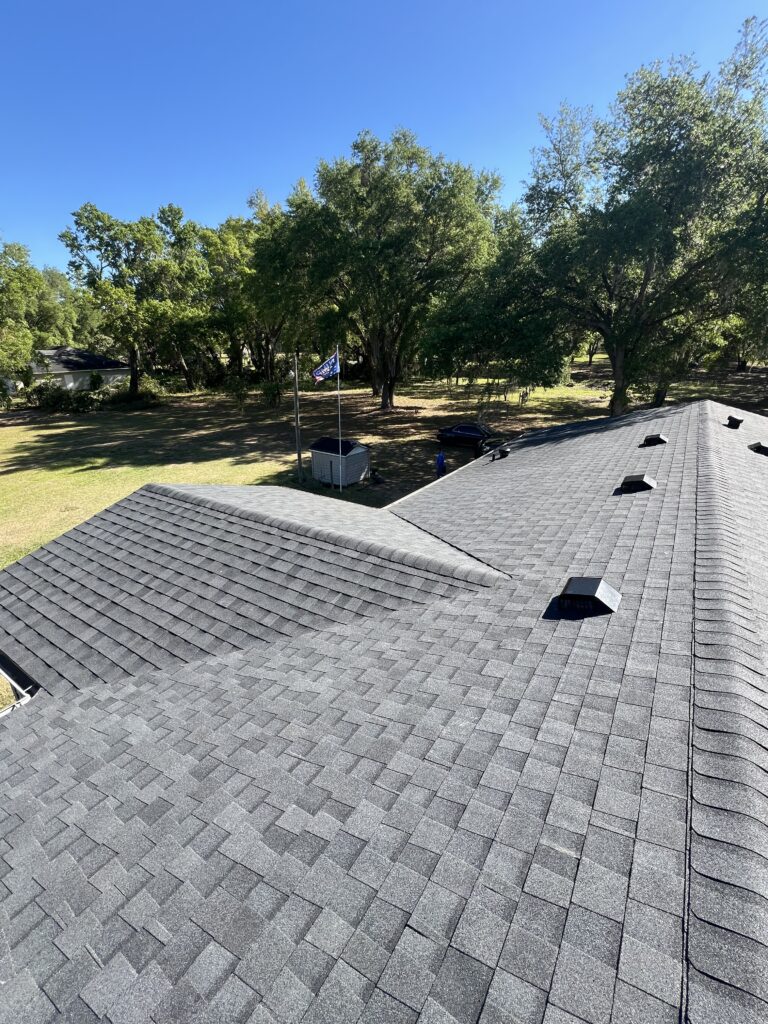
Furthermore, insurance companies conduct periodic inspections of the homes they insure. If an inspector notes that the roof has amateur patches, mismatched shingles, or visible tar, they may flag your policy for non renewal. You could find yourself scrambling to find new coverage or paying significantly higher rates because your roof is now considered a “high risk.”
Professional repairs come with documentation. When we fix a leak, you get an invoice and a record of what was done. This proof of professional maintenance is invaluable when dealing with insurance companies. It shows that you have been a responsible homeowner who addresses issues correctly. It prevents the insurance company from claiming negligence. A DIY repair provides no such documentation and leaves you vulnerable to disputes over coverage.
Impact on Home Value and Resale
Eventually, you may want to sell your home. In the real estate market, the condition of the roof is a primary concern for buyers. A home inspection is a standard part of the sales process. Home inspectors are trained to look for signs of amateur work. A DIY roof patch stands out like a sore thumb to a trained eye. It signals to the inspector, and consequently the buyer, that the home may have been maintained cheaply or incorrectly.
When an inspector flags a DIY roof repair, it raises a red flag for the entire house. Buyers will wonder what other corners were cut. They may assume that if the roof was fixed with a bucket of tar, the plumbing and electrical systems might be similarly compromised. This loss of confidence can lead to lower offers or demands for a full roof replacement before the sale can close.
Want to know what to look for with roof maintenance? Click here for more information.
You might find yourself in a position where you have to pay a professional to undo your DIY repair and do it correctly to satisfy a buyer. This means you effectively pay twice for the same repair, plus the cost of the materials you wasted the first time. A documented history of professional roof maintenance adds value to your home. It assures buyers that the property has been cared for by experts. It smooths the inspection process and protects your asking price.
The allure of a quick, low cost DIY roof repair is deceptive. While it may seem like a simple way to save money in the short term, the long term reality is often a series of compounding costs. From the high probability of misdiagnosing the leak to the risks of voiding warranties and creating safety hazards, the downsides are significant. Roofing is a trade that requires experience, precision, and a deep understanding of how materials interact with the elements.
At Clermont Roofing, we have spent decades fixing the aftermath of well intentioned DIY projects. We see the rotted wood that resulted from a missed leak and the damaged shingles from improper foot traffic. We urge you to consider the true value of a professional repair. It is not just about fixing a problem today; it is about securing your home’s structure, protecting your financial investment, and ensuring your safety for years to come. When it comes to the roof over your head, professional expertise is always the most economical choice in the long run.